Ventex
A 40-year-old manufacturer, rebuilt to compete worldwide.
The Challenge
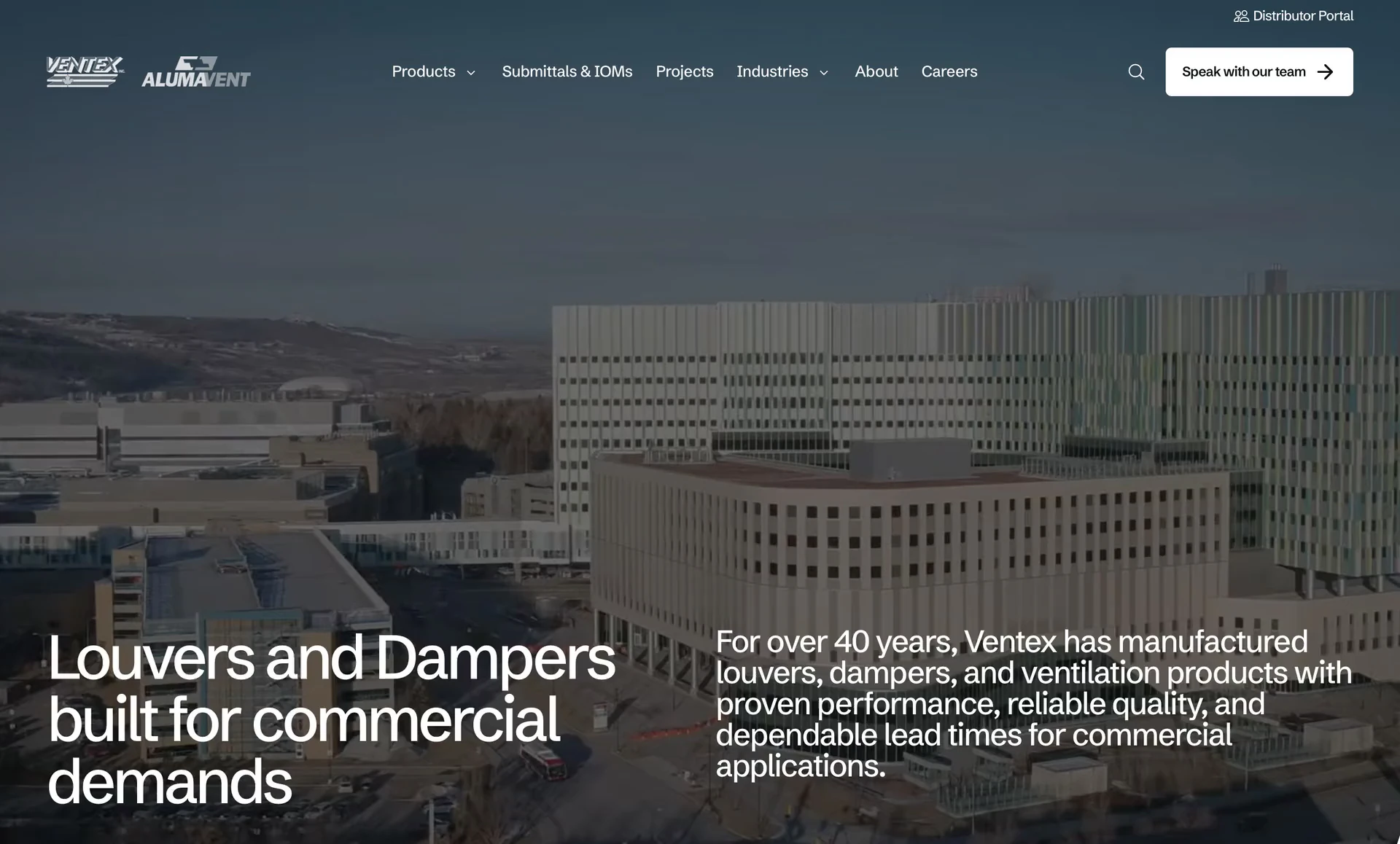
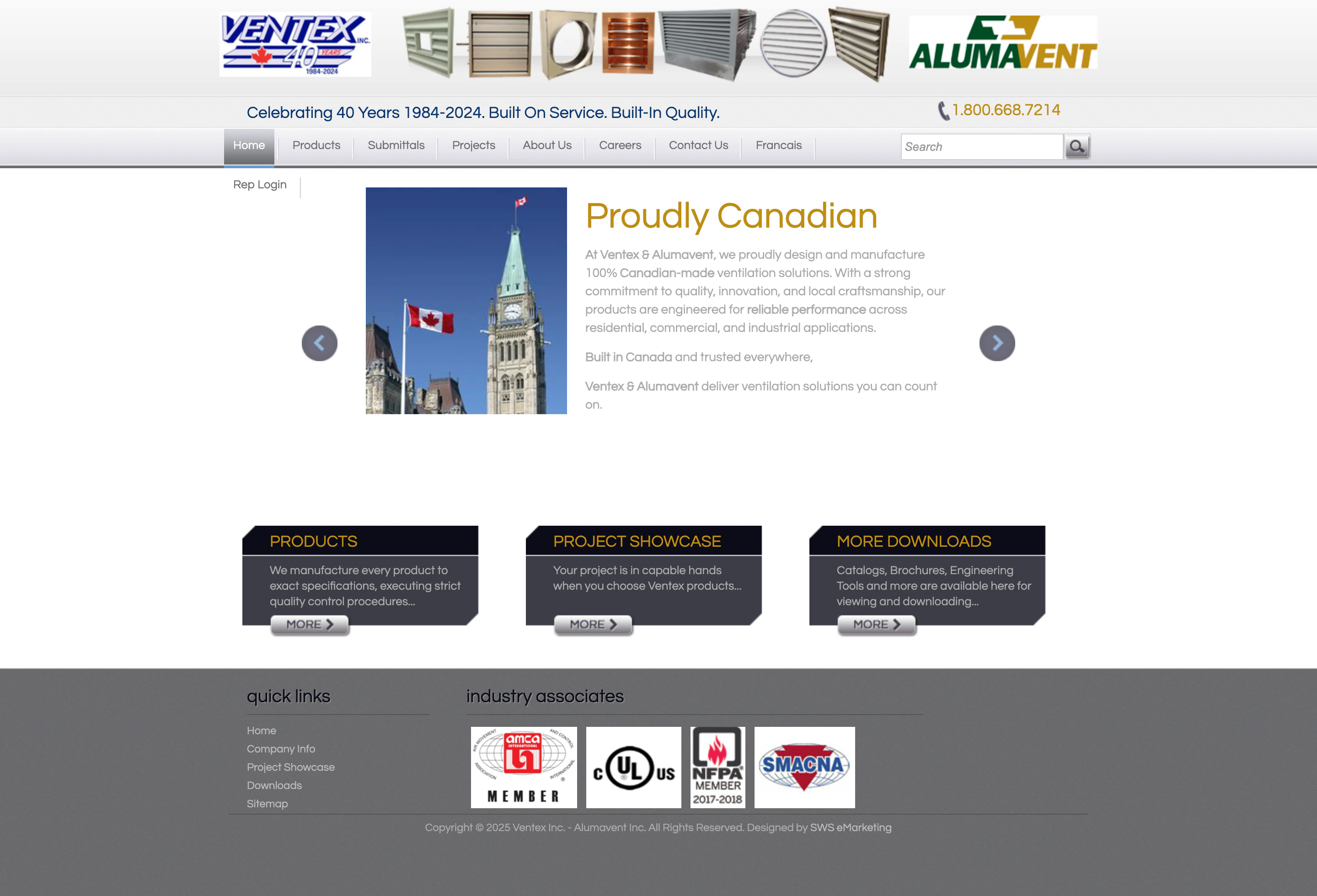
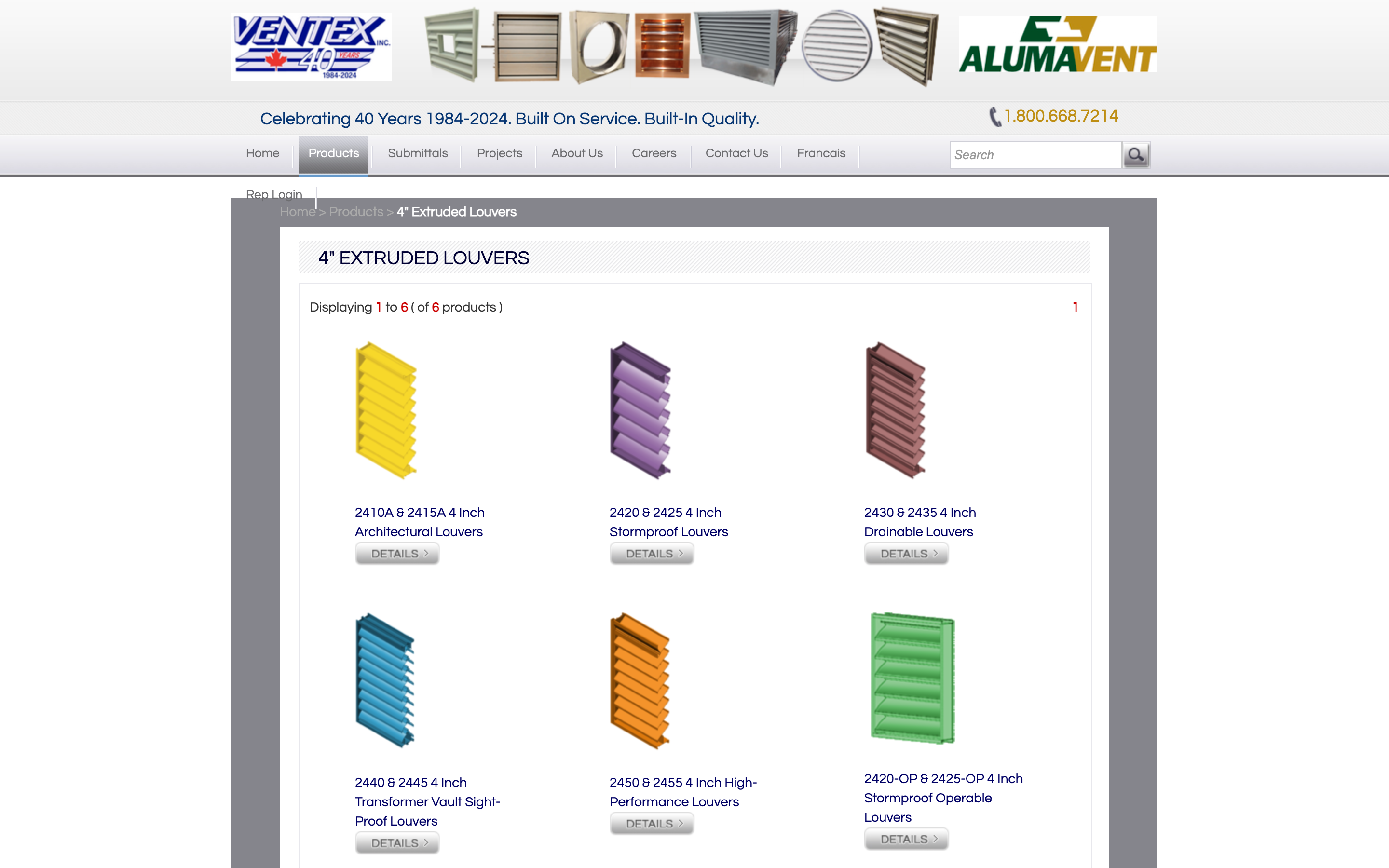
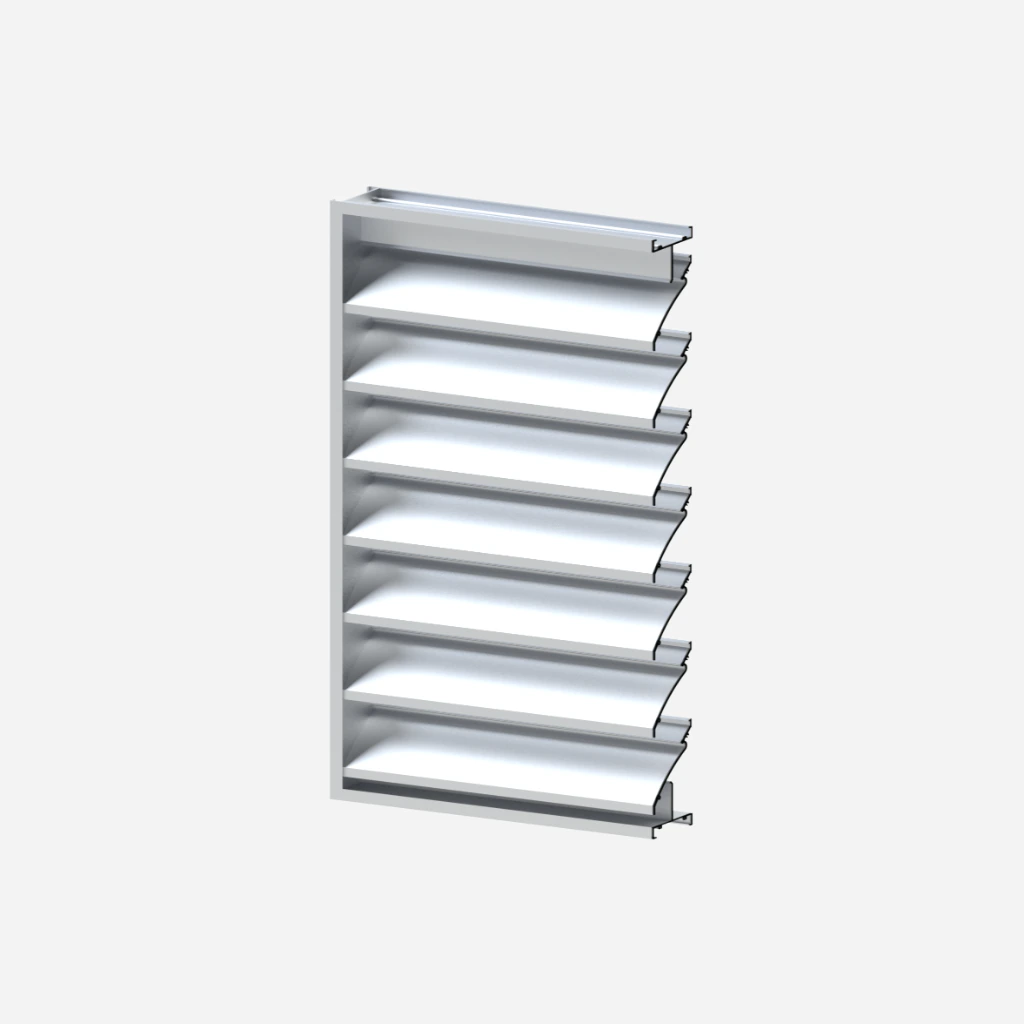
Ventex and Alumavent make louvers and dampers in Alliston, Ontario. Their products are on hospitals, data centres and 72-storey towers, and partners abroad were starting to call. The website had not kept up. It looked its age, and more than 60 products lived in pages someone had to edit by hand.
The brief was simple. Make the site as good as the products, and store the product data once so everything built later can use it.
The Solution
Start with the content. Every product, spec, accessory and certification lives in Sanity as its own field, not as a block of text on a page. Next.js draws the pages and Vercel serves them fast anywhere in the world.
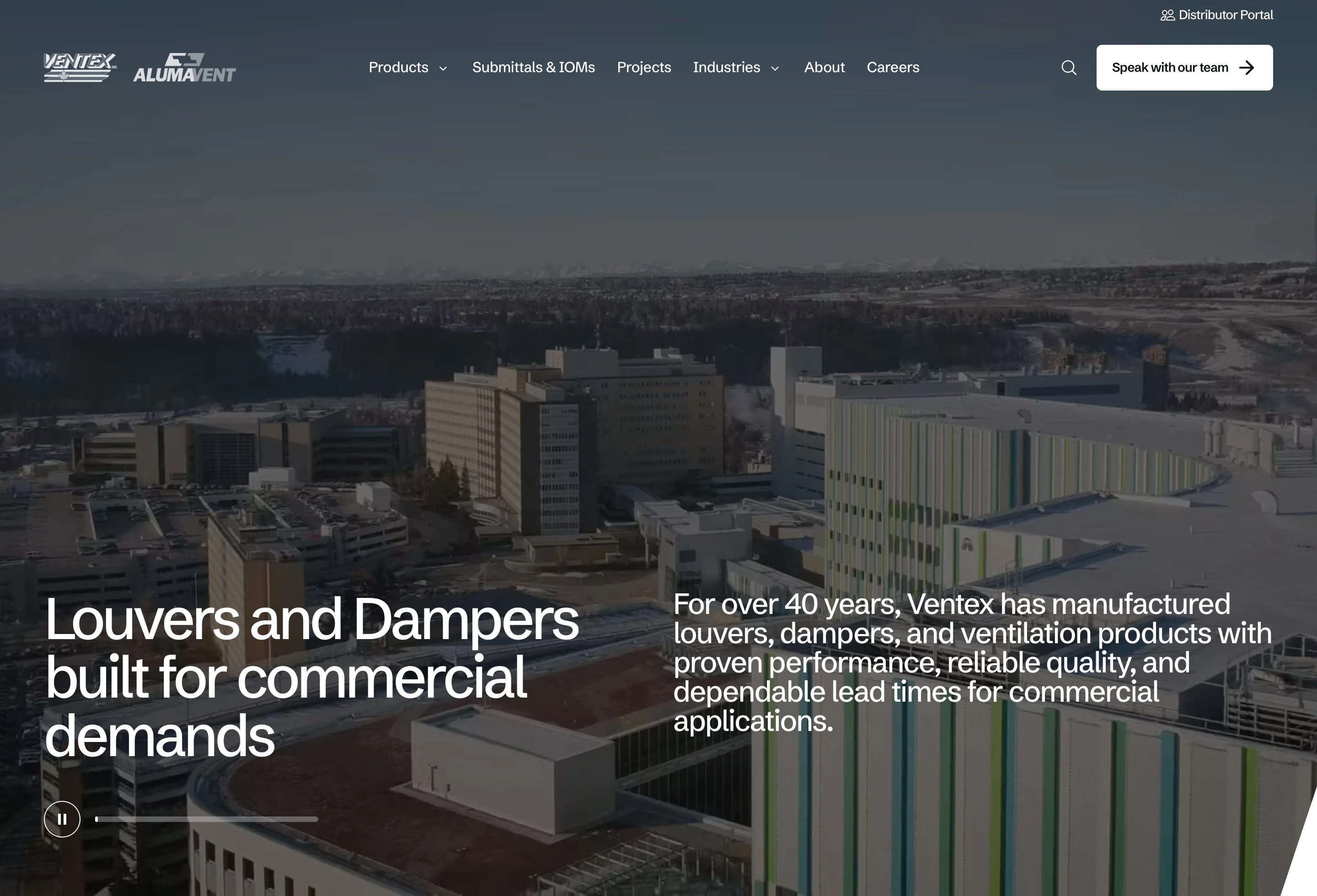
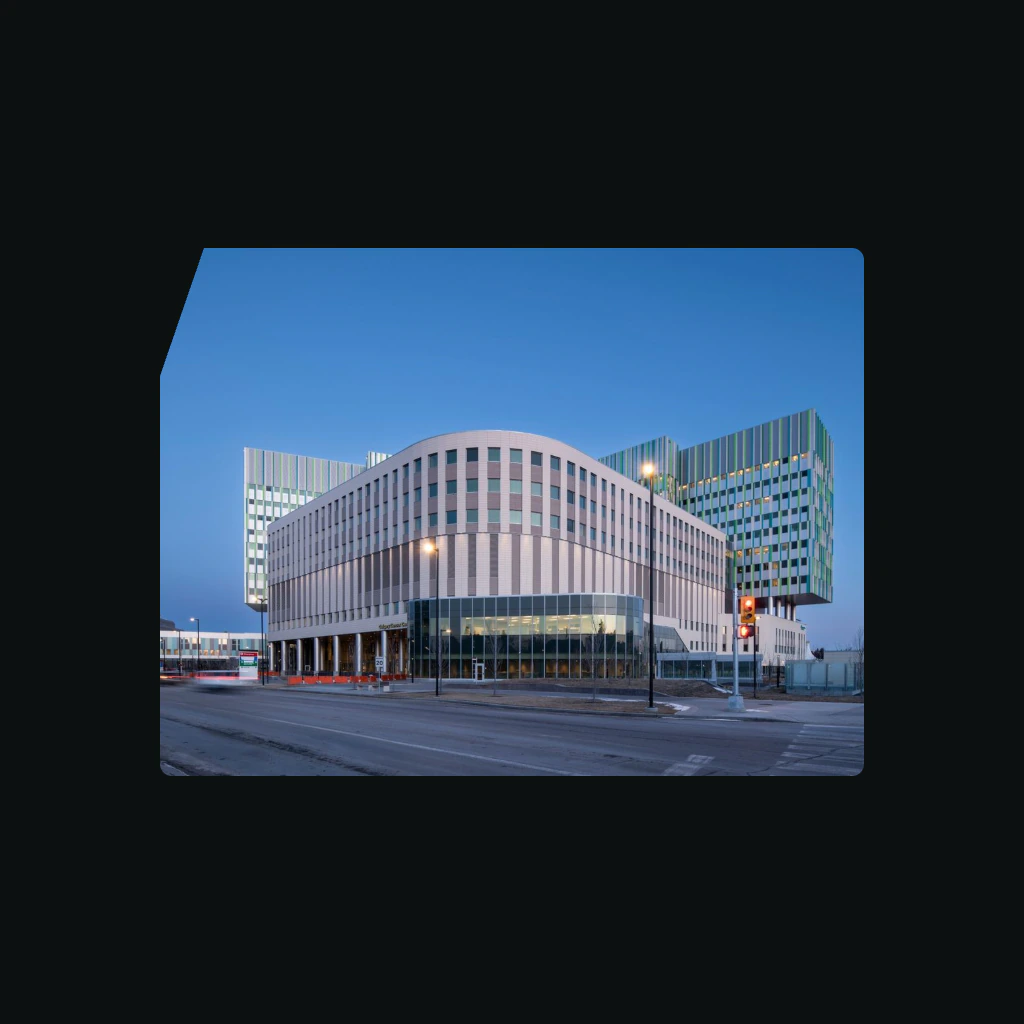
Then show the work. A film of a real building opens the homepage. Projects get their own pages, sorted by the kind of building, and every product links to the places it was installed.
60 products, one shape
The catalogue was the heavy lift. Each product arrived as a spec sheet: a PDF, a screenshot or a pasted table. Typing those into a CMS by hand would have taken months. So I built a small pipeline. Read the sheet, sort it into the same fields every time, check it, and load it straight into Sanity.
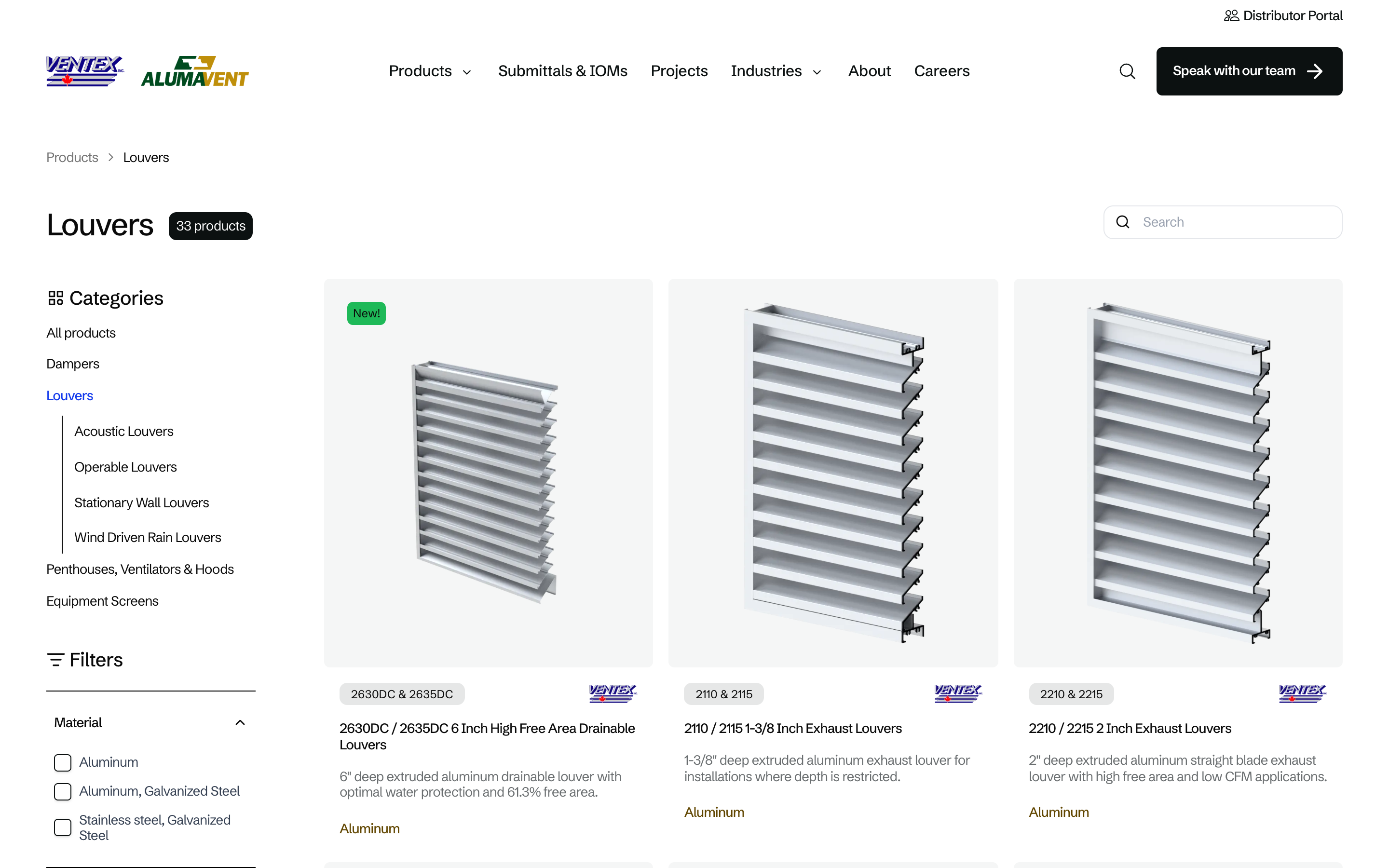
Because every product has the same shape, filters and search worked from day one. Adding a product or fixing a spec is now the same few steps every time.


The Outcome
Architects and engineers can browse the whole catalogue, filter it, spin a product around and pull the drawings without making a phone call.
The Ventex team runs it themselves. A new product or a changed spec is a few minutes in the Studio, not a job for a developer. The site finally looks like the company it belongs to.