.box
Rebuilding a blockchain domain platform from the ground up.
The Challenge
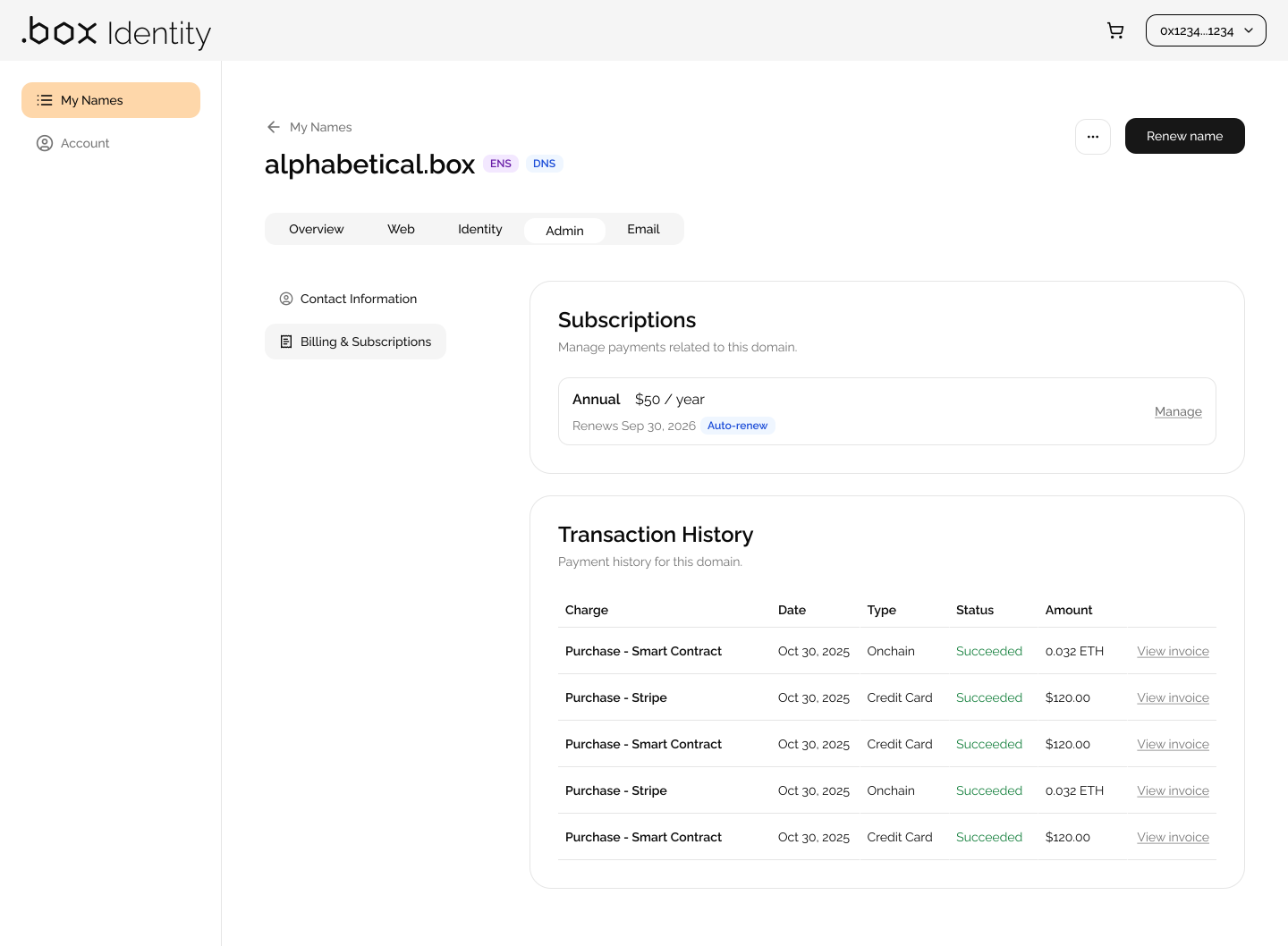
The .box top level domain launched on a third party registrar's platform, which handled everything: contracts, DNS, purchases, accounts. Intercap acquired that company, but ownership on paper did not mean control in practice. The platform was still a separate system full of undocumented behavior, one that .box ran on rather than owned. Everything needed to move onto Box-owned contracts and Box-owned infrastructure.
The mandate was a full reset. Rebuild on contracts and infrastructure the company owns, migrate every active name without losing one, and do it while the legacy system stayed live for paying customers.
The Solution
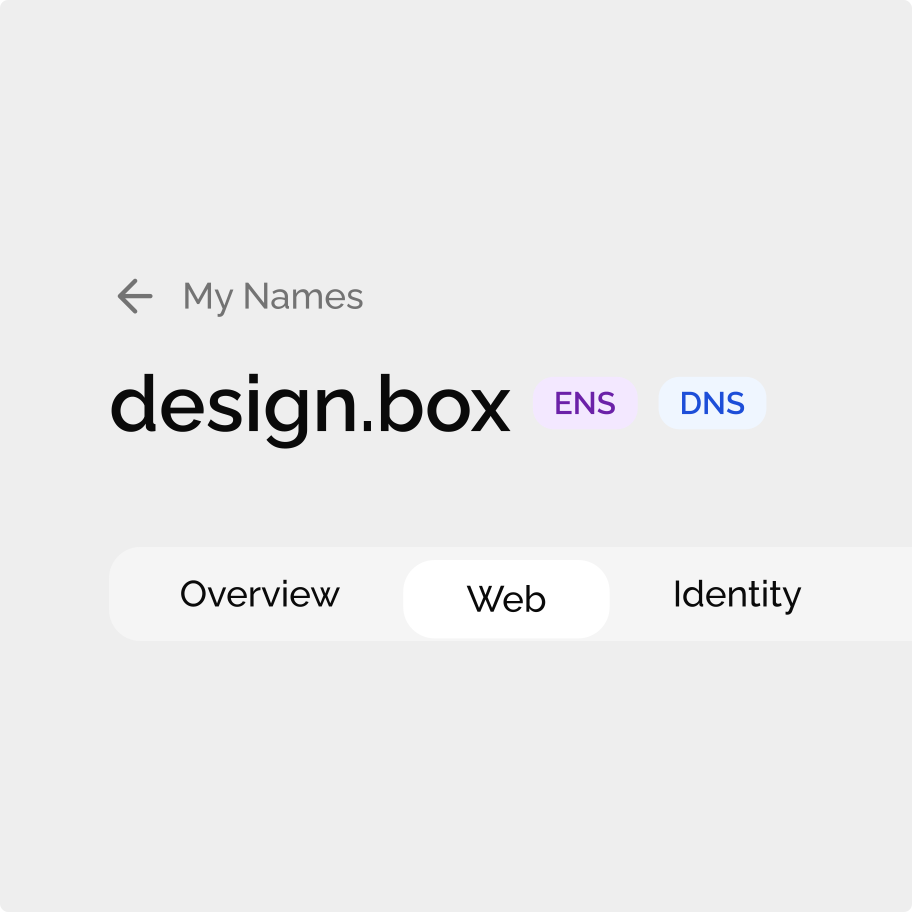
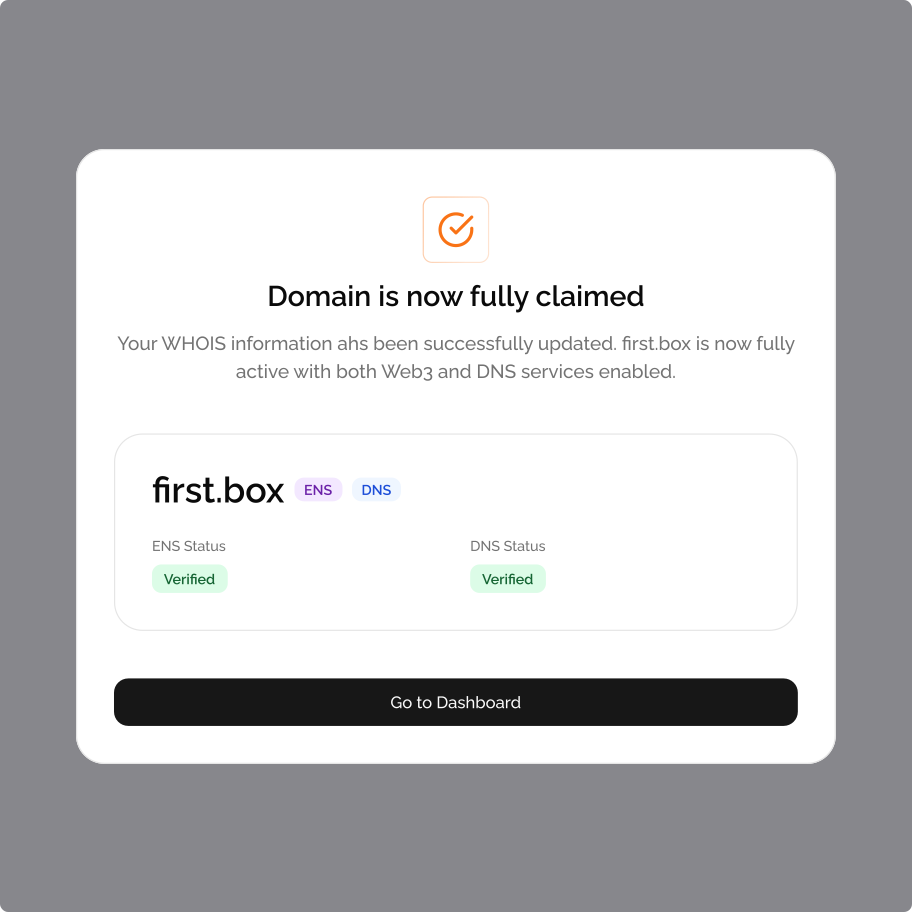
One architectural decision shaped everything: decouple ownership from function. ENS on Ethereum mainnet became the ownership layer, so a name is a true on-chain asset. DNS became an optional service layer that can be attached or detached. Either can change without touching the other.
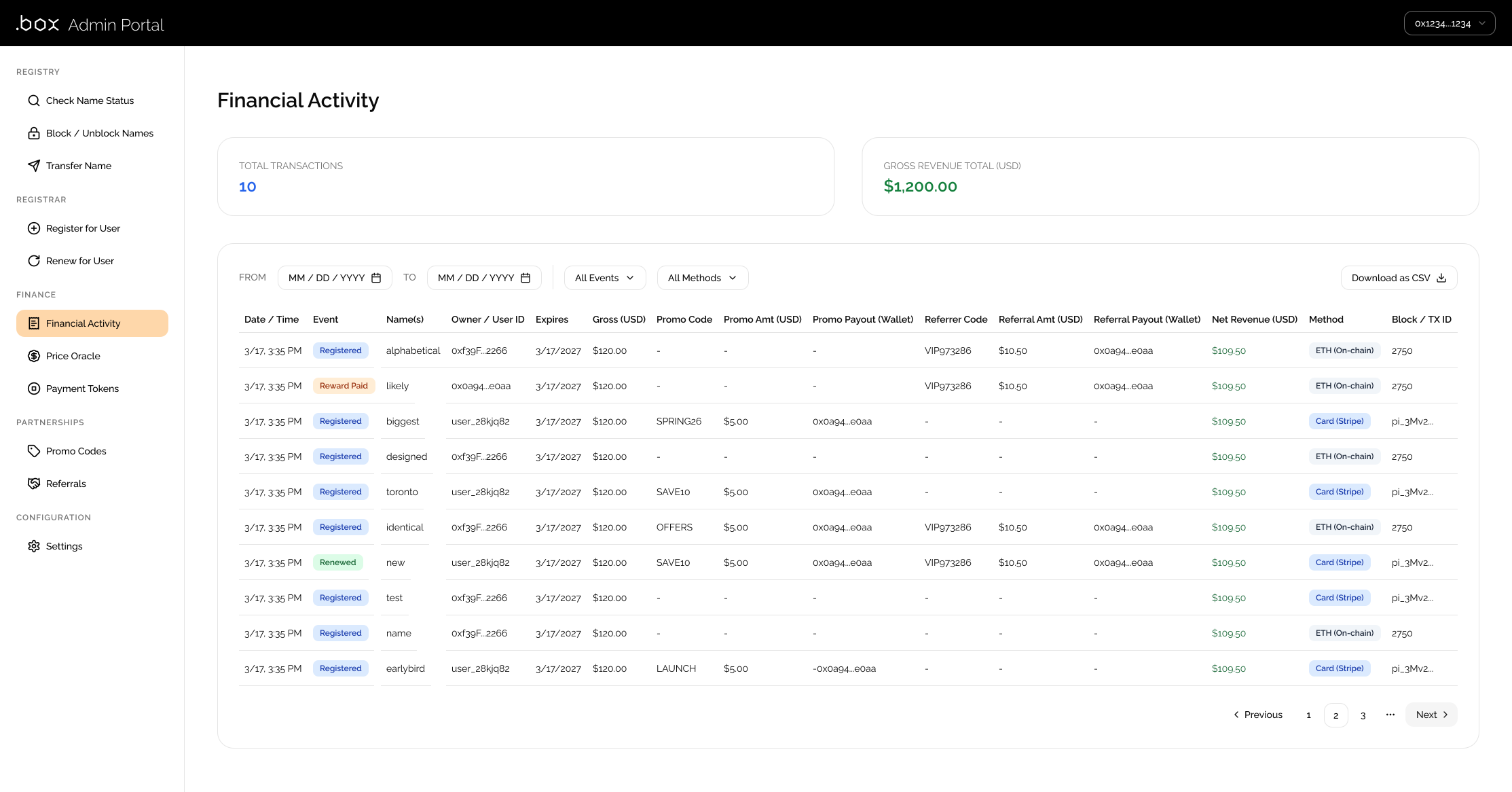
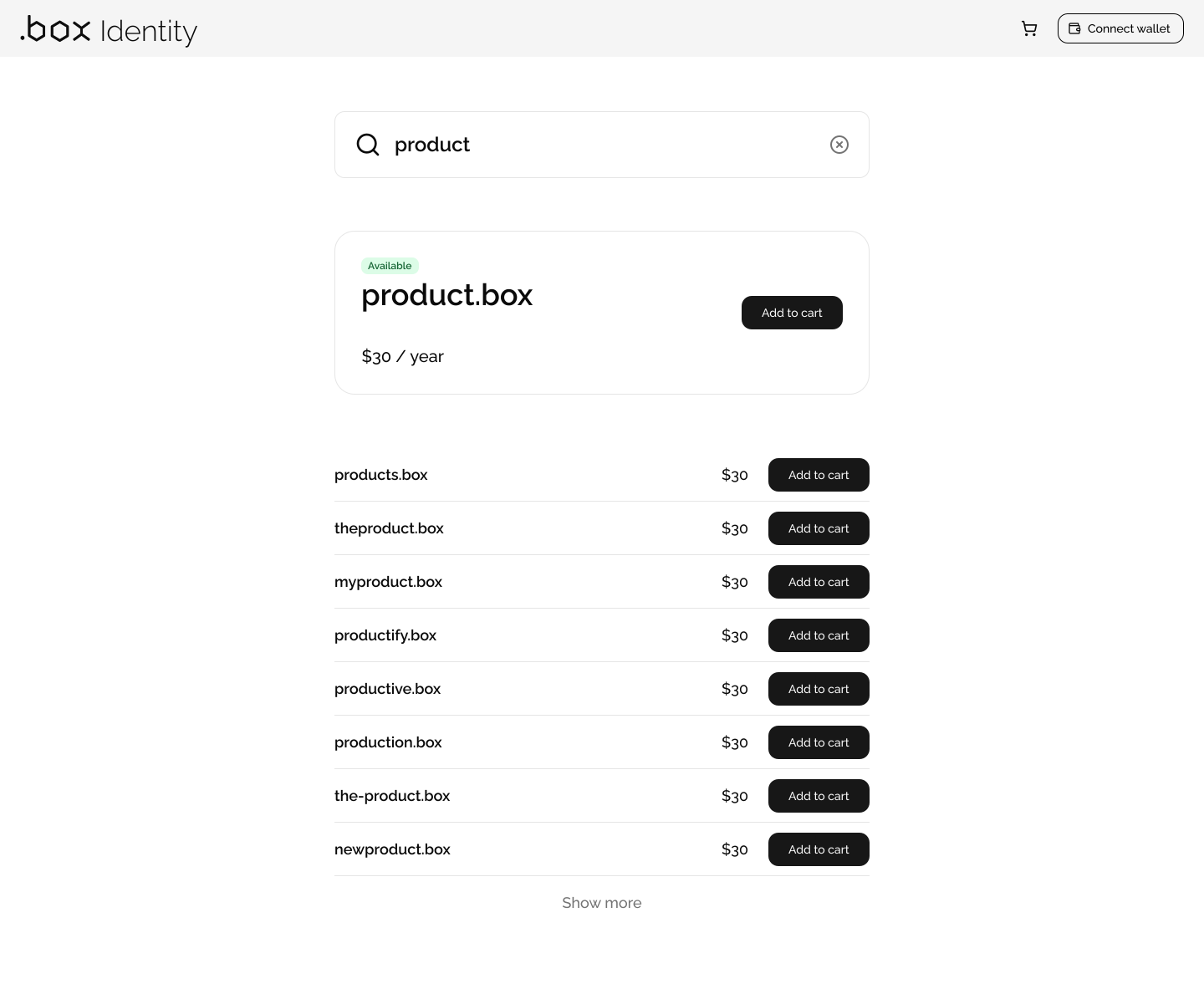
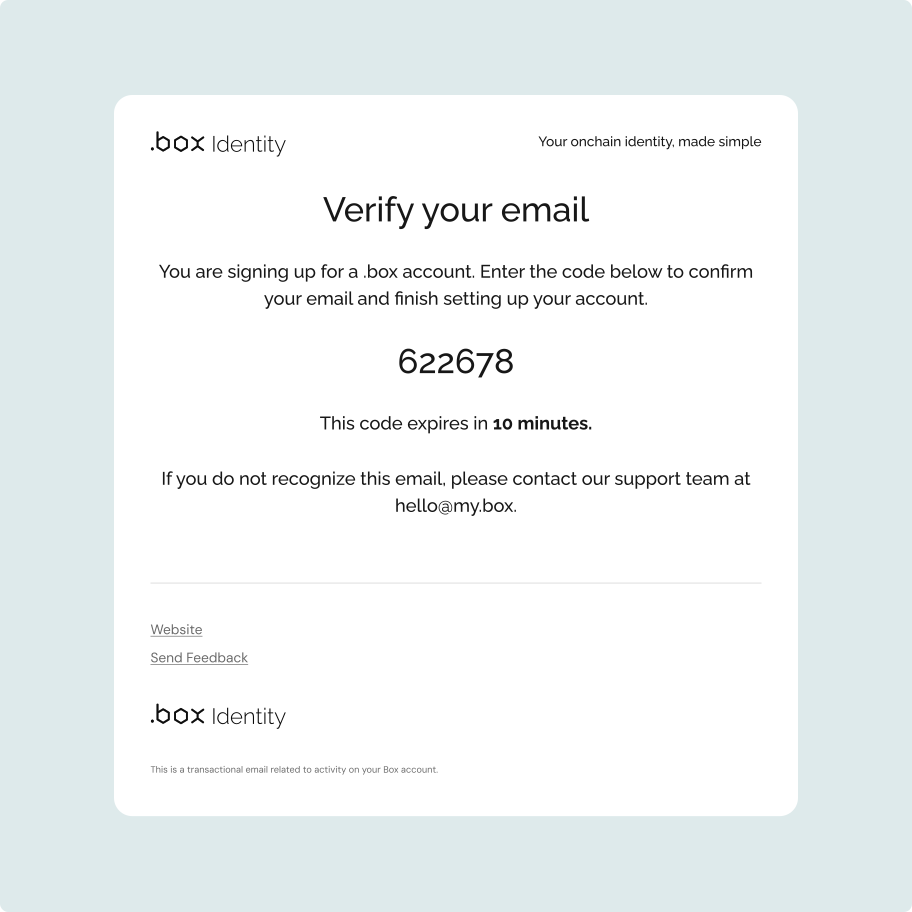
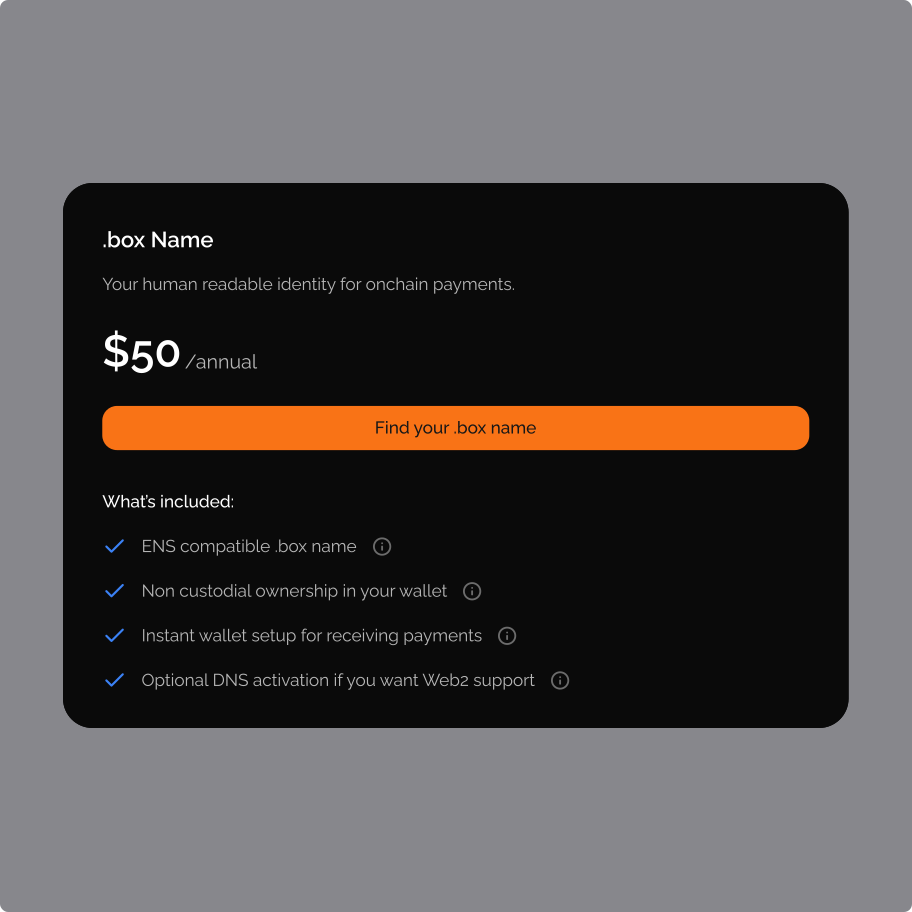
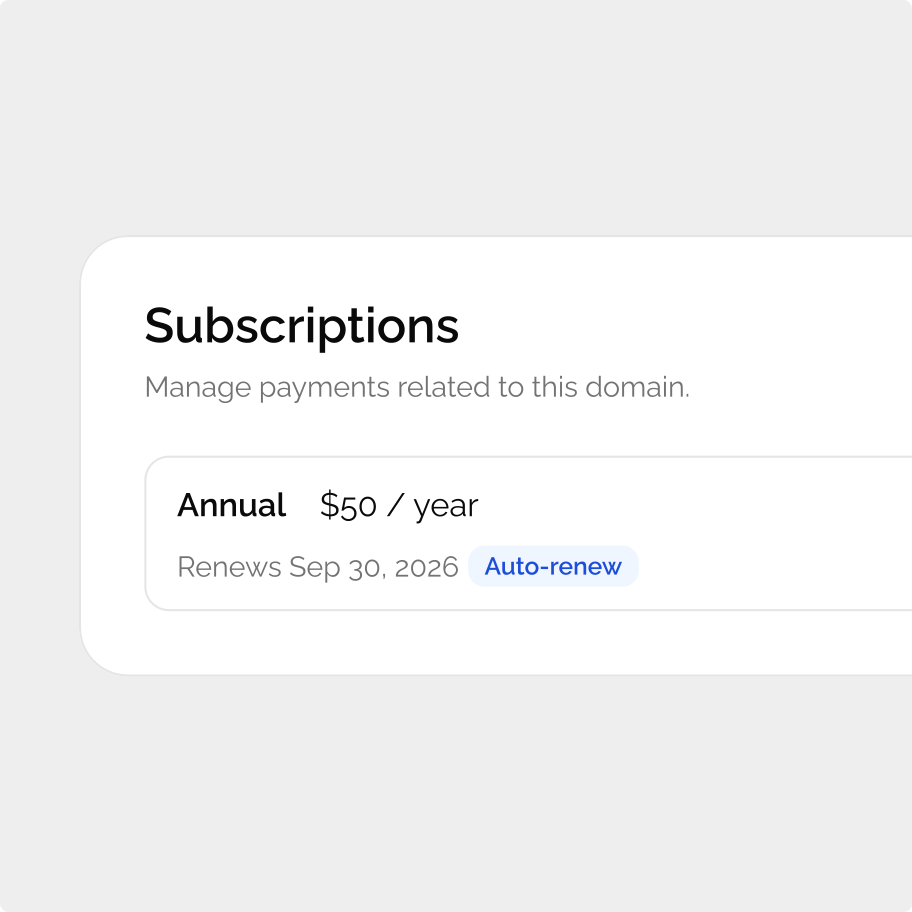
On top of that came a brand-new application, built with AI from the first line of code and designed to be easy to run, not just easy to ship. A new component-based design system keeps every product consistent, and a custom admin portal lets the team update content, manage names, and resolve customer issues without a developer in the loop. The legacy platform's workflows were reverse engineered, then rebuilt intentionally or cut, so complexity that took years to accumulate did not carry forward.
The Outcome
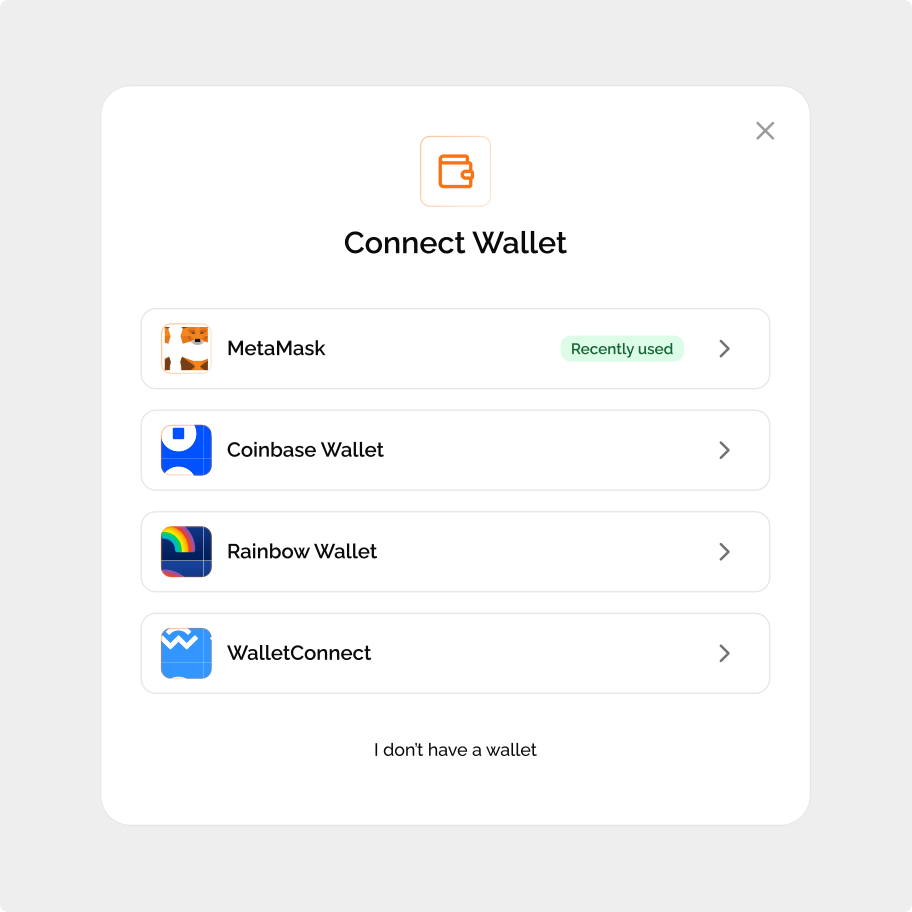
A lightweight platform that Intercap fully owns and manages, built to be a foundation rather than an endpoint. New features launch from the Box Identity layer, and future ideas and future businesses can be built on top of it without structural changes.
Deprecating the old infrastructure saved the company hundreds of thousands of dollars combined, but the bigger shift was where the team's time goes. Before the reset, the development team was sinking so much time into maintenance and customer support that technical debt never got addressed and new features never got built. They were caught in a cycle of keeping an aging product alive. The reset broke that cycle: a system light enough to maintain quietly, so the team builds forward instead.